Summary:
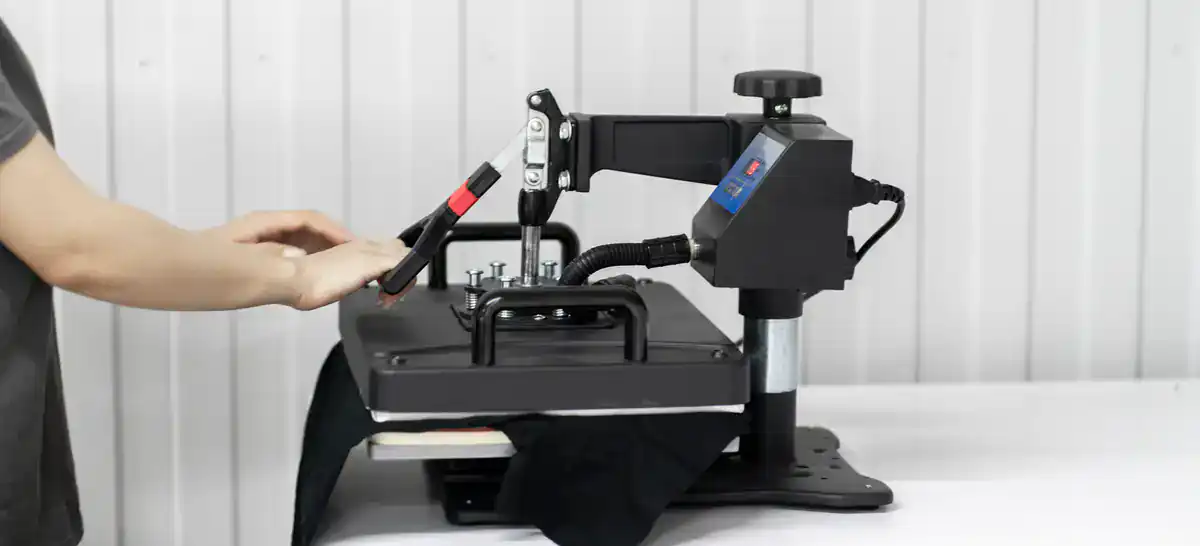
DTG printing works like a giant inkjet printer for fabric. The machine sprays water-based ink directly onto your shirt, creating detailed, full-color designs without any setup screens or stencils.
This method shines when you need intricate artwork, photorealistic images, or designs with lots of colors. Think detailed logos, gradients, or that family photo you want printed on shirts for a reunion.
DTG also makes financial sense for smaller orders. You can literally print one shirt without paying setup fees or meeting minimum quantities.
The biggest advantage of DTG printing Long Island is flexibility. You’re not locked into ordering dozens of shirts when you only need five. This no-minimum approach works perfectly for testing new designs, creating samples, or handling custom one-off requests.
Quality-wise, DTG delivers exceptional detail. Those fine lines in your logo, subtle color gradients, and intricate artwork translate beautifully to fabric. The water-based inks soak into the shirt fibers, creating a soft feel that doesn’t crack or peel over time.
Speed is another major benefit. Since there’s no screen setup required, DTG can often handle rush orders. Need shirts for tomorrow’s event? DTG printing can make it happen when traditional methods can’t.
The environmental impact is also worth noting. DTG uses eco-friendly, water-based inks and produces minimal waste since you’re only printing what you actually need. No leftover inventory sitting around.
For businesses testing new merchandise or individuals wanting personalized gifts, DTG removes the barriers that traditionally made custom printing expensive and complicated. You get professional results without the professional-sized commitment.
DTG isn’t perfect for every situation. The biggest limitation is cost per unit on large orders. While you save money on setup, the actual printing cost per shirt stays relatively high regardless of quantity.
Fabric choice matters more with DTG than other methods. The technique works best on 100% cotton or high-cotton blends. Polyester and synthetic fabrics don’t absorb the water-based inks as well, leading to less vibrant colors and potential durability issues.
Dark-colored shirts require special treatment with DTG printing. The process needs a white underbase layer to make colors pop, which adds time and cost to each piece. Light-colored shirts give you the best results and most cost-effective pricing.
Production speed can also become an issue with larger quantities. While DTG handles small batches quickly, printing hundreds of shirts takes considerably longer than screen printing. Each shirt goes through the machine individually rather than being printed in rapid succession.
Color vibrancy on certain fabrics might not match screen printing Long Island intensity. While DTG produces excellent detail, screen printing can deliver more saturated, bold colors that really grab attention from across the room.
If you’re planning a large order, need the brightest possible colors, or want to print on synthetic materials, screen printing might serve you better.
Want live answers?
Connect with a L1 Print expert for fast, friendly support.
Screen printing pushes ink through mesh screens onto fabric, with each color requiring its own screen. This traditional method has dominated custom apparel for decades because it produces vibrant, durable prints at scale.
The process involves creating screens, mixing inks, and running shirts through a press system. While setup takes time and requires minimum quantities to be cost-effective, the results are worth it for larger orders.
Screen printing excels when you need bold, simple designs with solid colors. Think company logos, team names, or event graphics with clean lines and limited color palettes.

Economics drive screen printing’s popularity for bulk orders. Yes, you’ll pay setup costs for each color, but those costs get spread across every shirt in your order. Print 100 shirts instead of 10, and your per-piece cost drops dramatically.
The durability factor sets screen printing apart. Those thick ink layers sit on top of the fabric, creating prints that withstand countless washes without fading or cracking. Sports teams, work uniforms, and promotional items that see heavy use benefit from this longevity.
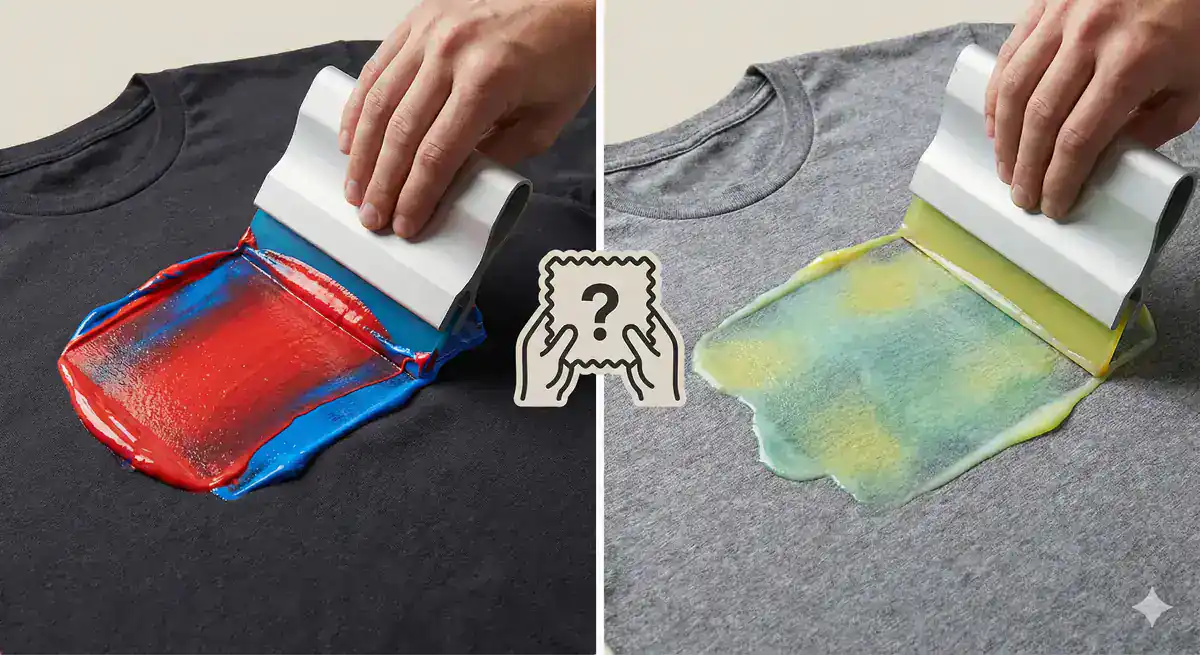
Color intensity is where screen printing really shines. The thick plastisol inks produce vibrant, opaque colors that pop off dark shirts. That bright yellow logo on black shirts? Screen printing delivers the contrast and saturation you want.
Production speed becomes a major advantage with larger quantities. Once screens are set up, experienced operators can print hundreds of shirts per hour. The rhythm of the press system makes bulk production efficient and cost-effective.
Screen printing also offers specialty ink options that DTG can’t match. Glow-in-the-dark, metallic, glitter, and puff inks add texture and special effects to designs. These creative possibilities open up unique branding opportunities.
For businesses needing consistent branding across large quantities, screen printing ensures every shirt looks identical. Color matching stays precise from the first shirt to the last, maintaining brand standards across your entire order.
Screen printing’s biggest limitation is the upfront investment required. Each color in your design needs its own screen, and those screens cost money to create. A simple two-color logo might require $50-100 in screen fees before you print a single shirt.
Minimum order quantities make screen printing impractical for small jobs. Most shops require at least 12-24 pieces to justify the setup time and costs. Need just three shirts for your small team? Screen printing becomes expensive quickly.
Design complexity creates additional challenges and costs. Each color requires separate artwork preparation, screen creation, and precise registration during printing. That detailed logo with eight colors becomes a complex, expensive project.
Changes and corrections get costly once screens are made. Decide you want to adjust the logo size or change a color after screens are created? You’re looking at additional setup fees and delays.
Time becomes a factor with screen printing setup. Creating screens, mixing custom colors, and setting up the press takes time. Rush jobs often carry premium pricing, and same-day printing is rarely possible.
Color gradients and photorealistic images don’t translate well to screen printing. The process works best with solid colors and simple graphics. That beautiful sunset photo or detailed portrait needs DTG printing to capture all the subtle details and color variations.
For small businesses testing new designs, individuals wanting single items, or projects requiring complex artwork, screen printing’s limitations often outweigh its benefits.
Your decision comes down to three key factors: quantity, design complexity, and timeline. DTG wins for small orders, detailed artwork, and rush jobs. Screen printing dominates when you need bulk quantities, bold simple designs, and maximum durability.
Most successful projects match the printing method to the specific requirements rather than trying to force one technique to handle everything. Consider your budget, timeline, and long-term needs when making this choice.
For expert guidance on your specific project, we offer both DTG and screen printing services with no minimum orders and transparent pricing. Our Ronkonkoma team can walk you through the pros and cons of each method for your exact situation.
Continue learning: