Summary:
The fabric you choose determines whether your uniforms look professional after six months or start falling apart after six washes. It’s the foundation of everything else.
Different work environments demand different approaches. Construction and outdoor crews need durability above all else—think Carhartt-level toughness that can handle daily wear and tear. Office teams and sales staff prioritize a polished appearance that maintains its shape and color through regular cleaning.
The key is matching fabric performance to your actual work conditions, not just picking what looks good in the catalog.
Here’s where most businesses get stuck. You want custom work uniforms that look professional, but you also need them to survive real work conditions.
Heavy-duty fabrics like canvas and duck cloth offer maximum durability. They’re built for environments where uniforms take a beating—construction sites, warehouses, manufacturing floors. These fabrics resist tears, stains, and general wear, but they can feel stiff and look more utilitarian than polished.
Professional fabrics like cotton-poly blends and performance polyesters strike a different balance. They maintain a crisp, clean appearance while offering moderate durability. These work well for customer-facing roles, office environments, and restaurant apparel where appearance matters as much as function.
Performance fabrics are gaining ground fast. Moisture-wicking polyesters, wrinkle-resistant blends, and fade-resistant materials offer the best of both worlds. They look professional, feel comfortable, and maintain their appearance longer than traditional options.
The smart move? Consider your team’s actual daily activities. A restaurant server needs stain resistance and easy washing. A construction foreman needs durability but might also interact with clients. A retail manager needs to look polished all day without worrying about wrinkles.
Don’t overthink this. Match the fabric intensity to your work intensity, and you’ll get uniforms that actually work for your team.
Traditional cotton polos Long Island are losing ground to performance polyester, and there’s a good reason for it. Performance fabrics solve problems that cotton simply can’t handle in demanding work environments.
Moisture-wicking technology keeps your team comfortable during busy shifts. Instead of cotton that absorbs sweat and stays damp, performance polyester pulls moisture away from the skin and dries quickly. This matters more than you might think—comfortable employees perform better and feel more confident throughout their workday.
Fade resistance is another major advantage for corporate branding. Cotton uniforms start looking worn after a few months of regular washing. Performance polyester maintains its color and appearance much longer, which means your team looks professional for months instead of weeks.
Wrinkle resistance eliminates the morning uniform prep time. Performance fabrics come out of the dryer looking crisp, which is especially valuable for teams that don’t have time for ironing or dry cleaning. Your embroidered polos maintain that sharp, professional appearance shift after shift.
The texture is lighter and more comfortable than traditional cotton, making these fabrics ideal for long shifts or physically demanding work. Restaurant staff working 12-hour shifts notice the difference immediately.
Carhartt, Dickies, and other major workwear brands are moving heavily into performance fabrics because they solve real problems. The initial cost might be slightly higher, but the longevity and performance make them more cost-effective over time.
Consider performance polyester for any role that involves physical activity, long shifts, or frequent washing. Your team will appreciate the comfort, and you’ll appreciate how long the uniforms maintain their professional appearance.
Want live answers?
Connect with a L1 Print expert for fast, friendly support.
This decision affects how your uniforms look, how long they last, and how much you’ll spend replacing them. Both methods have their place, but understanding when to use each one saves you money and frustration.
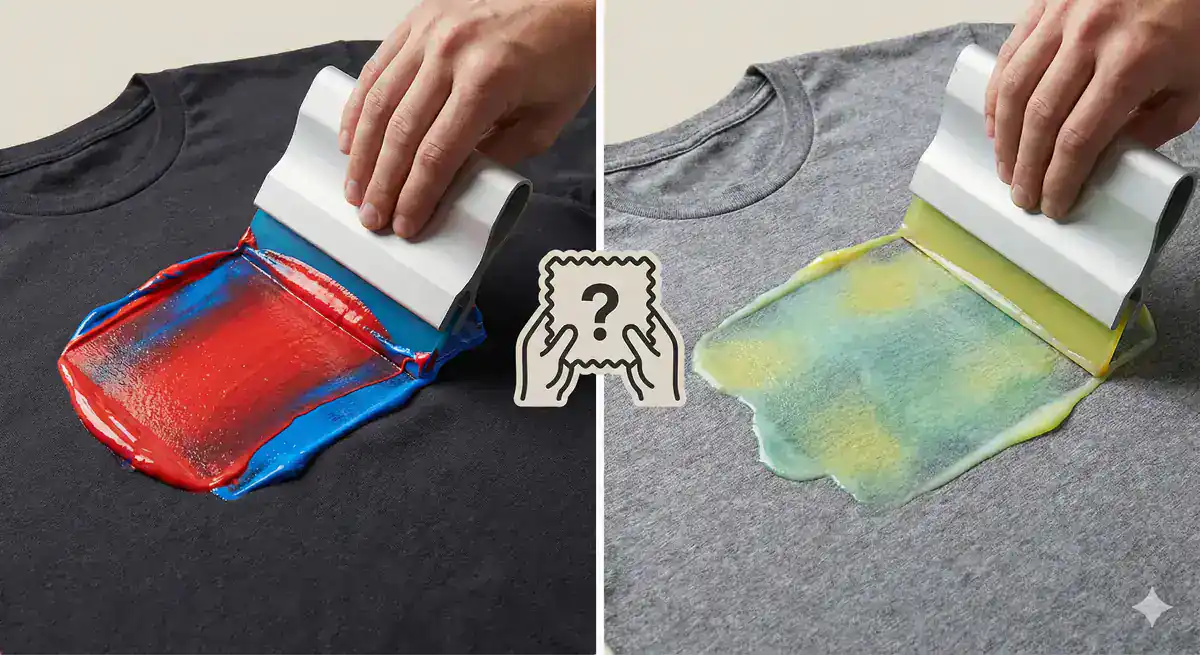
Embroidery creates a raised, textured design by stitching thread directly into the fabric. It’s more durable, looks more professional, and works best for smaller designs like logos on polo shirt chests. Screen printing applies ink to the fabric surface, offering more color options and working better for larger designs.
The choice isn’t just about aesthetics—it’s about matching the decoration method to how the uniform will actually be used.

Embroidery wins when durability and professional appearance matter most. The thread becomes part of the fabric itself, creating a bond that withstands repeated washing, daily wear, and even industrial laundering.
For executive and sales teams, embroidery on the left chest creates exactly the right professional impression. It’s subtle, sophisticated, and communicates quality without being flashy. The raised texture adds a premium feel that screen printing simply can’t match for corporate branding applications.
Restaurant uniforms benefit enormously from embroidery. Kitchen environments are tough on clothing—heat, steam, frequent washing, and general wear. Embroidered logos maintain their appearance through all of this, while screen printed designs often start cracking or fading within months. When your restaurant apparel needs to look sharp for both front-of-house service and back-of-house durability, embroidery delivers.
Corporate polos are probably the best application for embroidery. The combination of professional fabric and embroidered logo creates custom work uniforms that look polished in client meetings, trade shows, and daily business interactions. The durability means these uniforms maintain their appearance for years, not months.
Embroidery also works well on thicker fabrics like jackets, fleeces, and heavy cotton shirts. The stitching process actually strengthens these fabrics rather than weakening them, making it ideal for workwear that faces demanding conditions.
The cost structure favors embroidery for smaller orders and simpler designs. Unlike screen printing, embroidery pricing doesn’t depend on the number of colors in your logo. You get a flat rate regardless of whether your design uses two colors or ten.
For any uniform that needs to project professionalism and withstand regular use, embroidery is usually the better long-term investment.
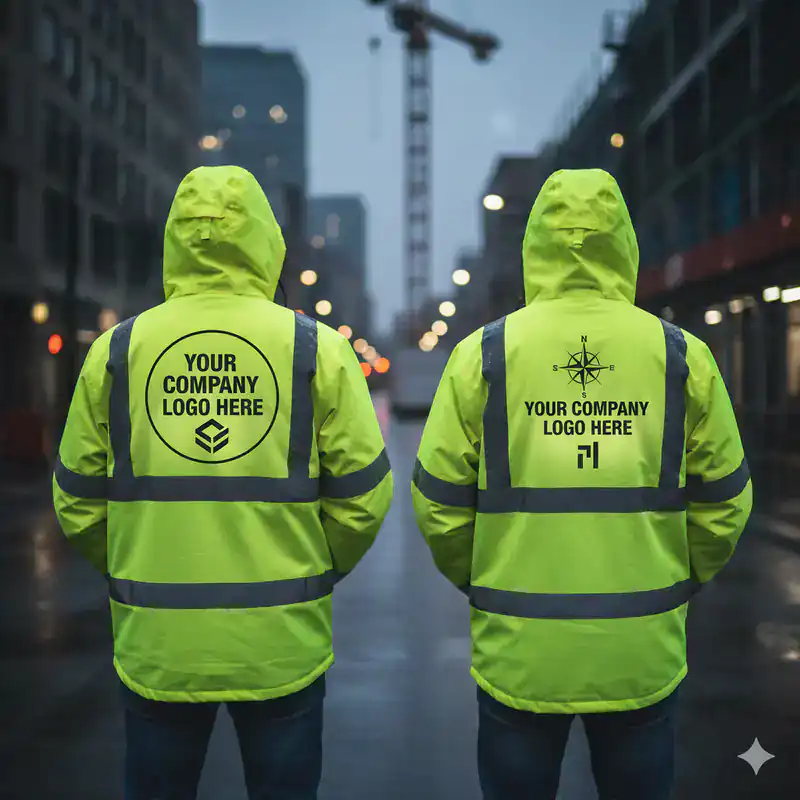
Screen printing shines when you need large, bold designs that grab attention. Field crews, construction teams, and delivery drivers benefit from screen printing on the back of shirts or jackets—maximum visibility for safety and brand recognition.
The color options with screen printing are virtually unlimited. Complex logos with gradients, detailed graphics, and photographic elements work much better with screen printing than embroidery. If your corporate branding relies on specific color matching, screen printing Long Island offers more precision for reproducing exact brand colors.
Cost efficiency improves dramatically with larger orders. Screen printing setup costs are higher initially, but the per-unit cost drops significantly as quantities increase. For teams of 50 or more, screen printing often becomes more economical than embroidery for custom work clothes.
Large format designs work best with screen printing. Full back logos, sleeve designs, and wraparound graphics are all possible with screen printing but impractical with embroidery. This makes screen printing ideal for teams that need high visibility or want to make a bold brand statement.
T-shirts and lighter weight fabrics are perfect candidates for screen printing. The ink application doesn’t require the thick, sturdy fabrics that embroidery needs. This opens up more garment options and often reduces the overall cost per uniform.
Promotional events and temporary campaigns favor screen printing. When you need uniforms for a specific event, season, or short-term project, screen printing offers faster turnaround and lower setup costs.
The key is understanding that screen printing and embroidery serve different purposes. Screen printing maximizes impact and visibility, while embroidery maximizes durability and professionalism. Smart uniform programs often use both—embroidered polos for management and client-facing roles, screen printed t-shirts for field crews and high-visibility work.
The best uniform programs aren’t complicated—they’re strategic. Choose fabrics that match your work environment, decoration methods that fit your brand goals, and suppliers who understand your actual needs.
Remember that no minimum orders change everything. You can outfit new hires immediately instead of waiting for bulk orders. You can test different styles before committing to large quantities. You can adjust your uniform program as your business grows without being locked into inflexible contracts.
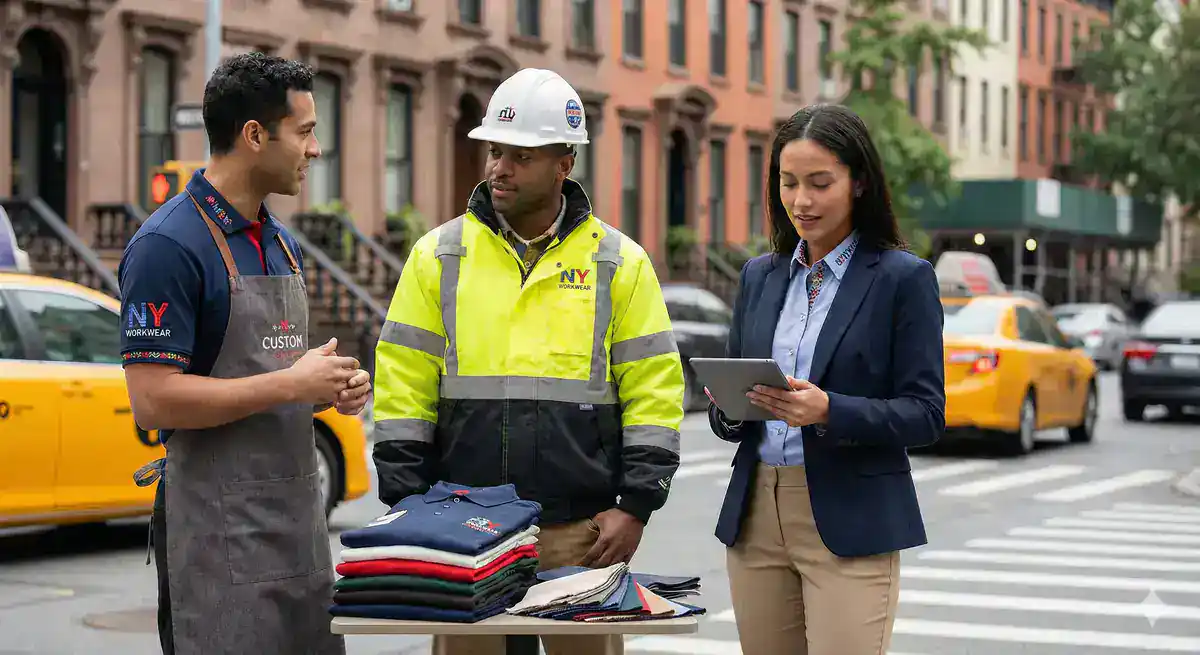
Whether you need embroidered polos for your restaurant team or screen printed safety shirts for your construction crew, the key is working with a local provider who understands your industry. We’ve been helping New York businesses solve these exact challenges, offering both embroidery and screen printing with the flexibility that growing businesses actually need.
Continue learning: